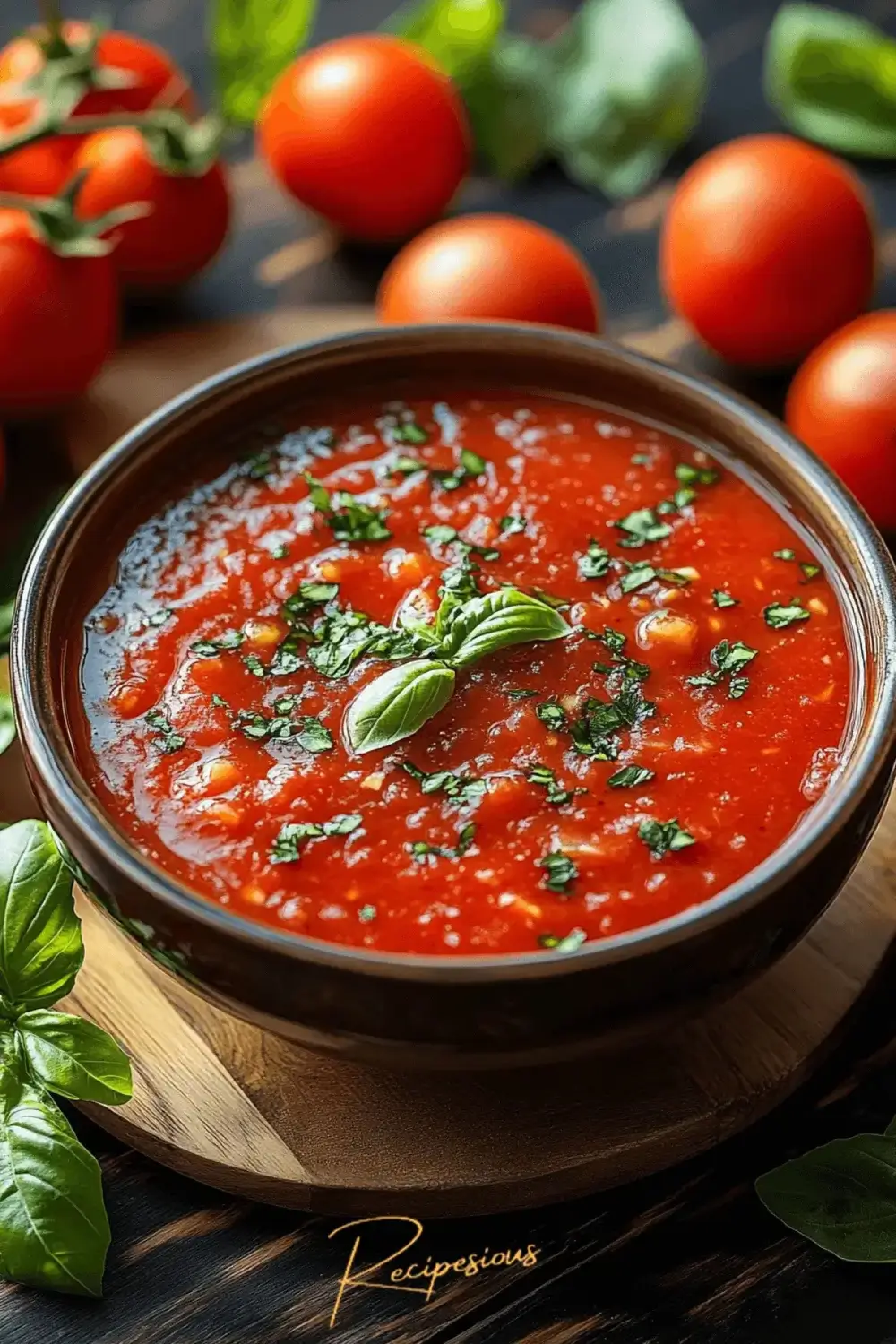


This tomato sauce recipe with fresh tomatoes without sugar recipe came from one simple frustration, I was tired of sauces that claimed to be wholesome but still needed sugar to taste good. I knew fresh tomatoes could do better if treated right, so I started testing. And testing. And tweaking.
My first batch was thin and sharp. The second was better but still missing something. What I learned is that tomato sauce without sugar isn’t about skipping sweetness, it’s about building it naturally. Tomato choice, cooking time, and heat control all matter more than people realize.
This sauce takes about 15 minutes of prep and 45 to 60 minutes of simmering. Skill level is beginner friendly, but it rewards patience. It’s for busy families, moms who want cleaner ingredients, and anyone who wants a sauce that tastes like tomatoes, not candy.
Why you’ll love this Tomato sauce recipe with fresh tomatoes without sugar recipe
- Naturally sweet from properly cooked fresh tomatoes
- No added sugar, honey, or artificial sweeteners
- Thick, rich texture without needing tomato paste
- Freezes well for future meals
- Works for pasta, pizza, and casseroles
- Kid approved once the acidity mellows
- Simple ingredients with big payoff
What surprised me most during testing was how much the sauce changed over time. At 20 minutes it tasted sharp. At 40 minutes it was balanced. At an hour, it was cozy, rounded, and honestly better than most jarred sauces. This is one of those recipes where patience pays you back.
Tips for success
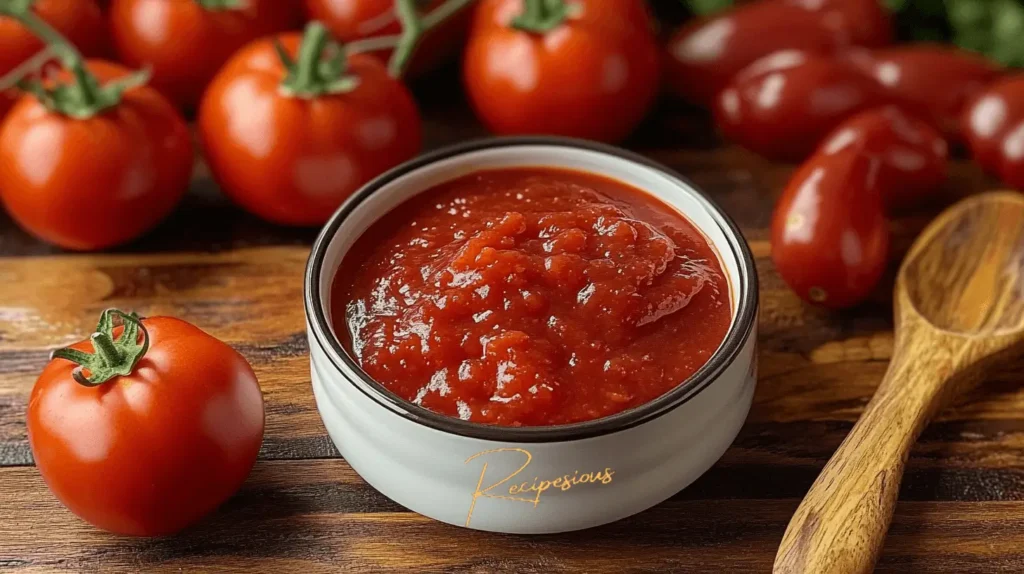
The most common mistake is using the wrong tomatoes. Very watery or underripe tomatoes will give you thin, acidic sauce. Roma, San Marzano-style, or vine-ripened tomatoes work best. I tested cherry tomatoes too, and while flavorful, they needed longer simmering.
Peeling the tomatoes helps texture. You can skip it, but the sauce will be chunkier. I prefer blanching and peeling for a smoother finish that kids don’t question.
Heat control matters. Start with medium heat to release moisture, then lower to a gentle simmer. If it boils hard, the sauce reduces too fast and tastes harsh.
If the sauce tastes sour, do not reach for sugar. Instead, simmer longer, add a splash of olive oil, or stir in finely grated carrot or onion early in cooking. These additions soften acidity naturally.
You’ll know it’s ready when the sauce coats a spoon, smells sweet and savory, and no longer tastes sharp on the back of your tongue.
Nutrition and health notes
This sauce keeps things simple and honest. Tomatoes are naturally rich in lycopene, a plant compound that gives them their red color. According to USDA FoodData Central, cooked tomatoes actually make lycopene more available than raw tomatoes
Because this recipe uses no added sugar, it avoids unnecessary sweetness while still delivering flavor. Olive oil contributes healthy fats that help with satiety and flavor development. Garlic and onion add natural compounds that support everyday cooking nutrition without needing supplements.
This sauce is naturally vegan and gluten free. It can fit into many eating styles without special substitutions.
For food safety, cooked tomato products should be refrigerated promptly and stored in clean containers. The FDA recommends keeping cooked sauces refrigerated and using within a few days or freezing for longer storage
This is real food made from real ingredients, nothing fancy, just done right.
Serving ideas and pairings
- Toss with pasta for a simple weeknight dinner
- Use as a base for baked dishes
- Spoon over vegetables or grains
- Pair with philly cheesesteak tortellini for a hearty meal
- Serve with Cunetto’s garlic cheese bread to soak up every drop
- Add to slow-simmered meats inspired by tough cuts in tomato sauce
- Pair dinner with bug juice camp drink for kid-friendly nights
- Freeze portions for busy weeks
This sauce plays well with just about everything and doesn’t steal the spotlight, it supports the meal.
Storage and make ahead
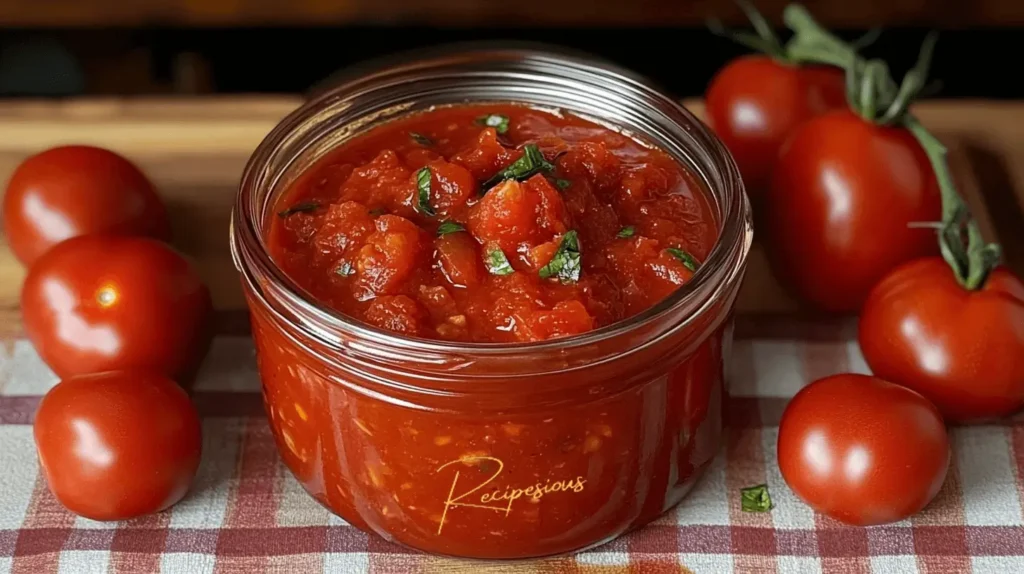
This sauce stores beautifully. Let it cool completely before transferring to airtight containers. In the refrigerator, it stays fresh for up to 4 days. I often make a double batch because it disappears fast.
Freezing works very well. Freeze in portion-sized containers for up to 3 months. Thaw overnight in the fridge or gently on the stovetop.
Reheat slowly over low heat, stirring occasionally. If it thickens too much, add a splash of water.
For food safety, never leave cooked tomato sauce at room temperature for more than two hours. Always use clean utensils when scooping to extend freshness.
This is a great make-ahead option for busy weeks when cooking from scratch feels impossible.
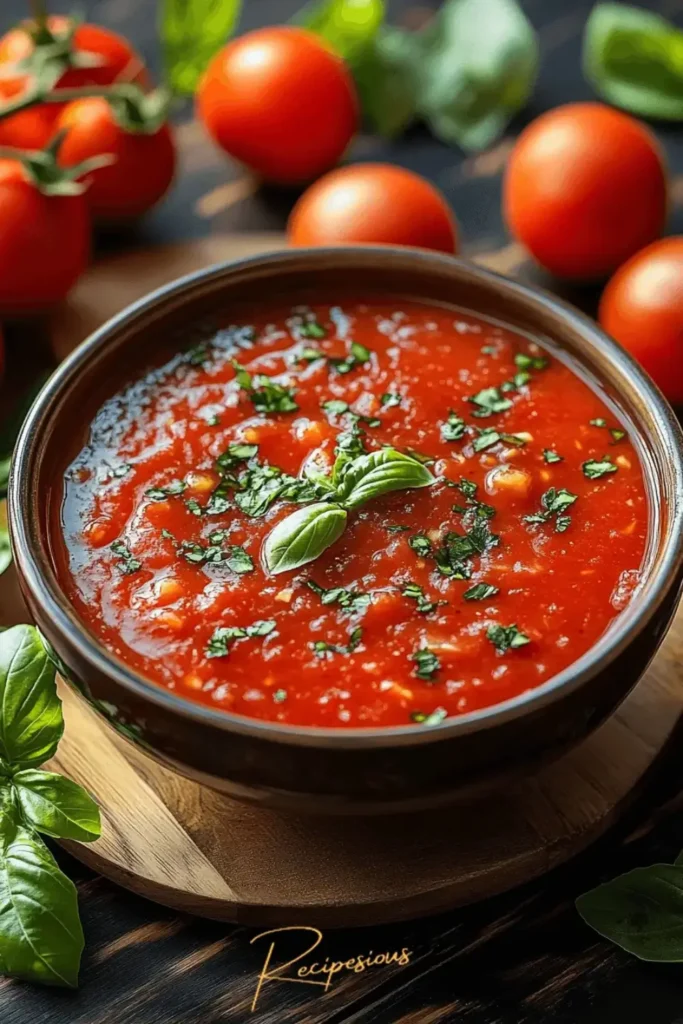
Tomato sauce recipe with fresh tomatoes without sugar recipe
Description
tomatoes with garlic, olive oil, and herbs, highlighting fresh tomato flavor without added sugar, perfect as a base for pasta or pizza.
Ingredients

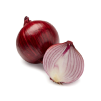
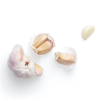


Instructions
Step 1: Prep the tomatoes
First things first, let’s deal with the tomatoes. I like to score a small X on the bottom of each tomato, drop them into boiling water for about 30 to 45 seconds, then move them straight into an ice bath. The skins slide right off, it’s oddly satisfying. Chop them up roughly, seeds and all, no stress here.
Step 2: Build the flavor base
Grab a wide pot and set it over medium heat. Pour in the olive oil and let it warm up until it shimmers a bit. Add the diced onion and cook for 5 to 7 minutes, stirring often, until it turns soft and lightly golden. This is where the sweetness comes from naturally, no sugar needed. Toss in the garlic and stir for about 30 seconds, just until fragrant. Don’t let it brown, bitter garlic is not our friend.
Step 3: Simmer the sauce
Add the chopped tomatoes, salt, pepper, and oregano. Stir everything together and bring it to a gentle simmer. Lower the heat and let it bubble uncovered for 35 to 45 minutes. I usually give it a stir every few minutes to keep it from sticking. You’ll know it’s ready when the tomatoes fully break down and the sauce thickens naturally.
Step 4: Balance the acidity
Taste the sauce. If your tomatoes are a little sharp, sprinkle in the baking soda. It will foam slightly, that’s normal. Stir well and taste again. This trick is something I learned after testing batch after batch, and it works without adding any sweetness.
Step 5: Finish it your way
Turn off the heat and stir in the fresh basil. At this point, you can leave it chunky or blend it. I use an immersion blender right in the pot for a smoother sauce, but a chunky sauce is perfect for rustic pasta nights. If it’s thicker than you like, add a splash of water and stir.
Nutrition Facts
Servings 6
- Amount Per Serving
- Calories 494.33kcal
- % Daily Value *
- Total Fat 29.48g46%
- Sodium 2708.07mg113%
- Potassium 2873.03mg83%
- Total Carbohydrate 55.97g19%
- Dietary Fiber 15.67g63%
- Sugars 32.95g
- Protein 11.8g24%
- Vitamin A 485 mcg
- Vitamin C 164.83 mg
- Calcium 174.43 mg
- Iron 4 mg
- Vitamin E 10.16 mg
- Vitamin K 124.26 mcg
- Vitamin B6 1.15 mg
- Phosphorus 315.52 mg
- Magnesium 141.13 mg
- Zinc 2.25 mg
* Percent Daily Values are based on a 2,000 calorie diet. Your daily value may be higher or lower depending on your calorie needs.

Note
- I tested this sauce with both Roma and vine tomatoes, Roma gives a thicker sauce while vine tomatoes taste brighter but need a bit longer to cook down.
- Never rush the simmering step, slow cooking is what brings out the natural sweetness.
- If your sauce tastes flat, add a pinch more salt before thinking it needs anything else.
- This freezes beautifully, I store it in freezer bags laid flat so it thaws fast on busy nights.
- For pizza sauce, simmer 10 minutes longer so it’s extra thick.
- Always tear basil by hand instead of cutting it, it keeps the flavor fresher.